
Wayne County Civil Docket Searches
Every Wayne County civil docket search starts in one place. It is the Clerk's Wayne County WCMS public search. The system covers a lot of ground. Common Pleas General and Domestic Relations cases live there. So do Municipal civil and small claims matters. Enter a party name or an exact case number to pull up the Wayne County record. If the results come back too broad, narrow them. Filter by opened or closed dates, court type, cause or case type, party type, or division. The public form stays quiet about which fields are required, and not every dropdown value is visible. Click the case number to open the summary.
The county's own instructions point readers to the Parties, Events, Dockets, and Costs tabs. That order makes sense. First see who is involved, then what has happened. Then read what the court has scheduled. Finally, check whether money shows up on the Wayne County financial entries. Treat the docket as an index of activity. It is not a promise that every document is viewable from home. For older matters, ask the clerk for a manual-index search. The county says online coverage runs principally from 1995 forward.
- Select the Wayne County Common Pleas and Municipal WCMS search.
- Search the party name or exact Wayne County civil case number.
- Use Wayne County court type, division, date, or case-type filters only to distinguish similar results.
- Read Wayne County Parties, Events, Dockets, and Costs in that order.
- Contact the Wayne County holding Clerk office for a filed order, judgment, or certified copy.
Wayne Civil Docket Court Map
Know the court before you search. That one step prevents the most common Wayne County docket mistake. It is looking in the wrong division. Common Pleas General Division takes civil actions that exceed the Municipal Court's exclusive monetary reach. Domestic Relations is another Common Pleas arm. It holds divorce, dissolution, annulment, legal separation, support, and allocation-of-parental-rights cases. Municipal Court handles ordinary civil claims up to $15,000. Small Claims offers a money-only route capped at $6,000. Probate keeps its own public and nonpublic categories. It cannot stand in for either Common Pleas civil or Municipal civil records.
| Wayne docket | Typical record path | Published contact |
|---|---|---|
| Wayne County Common Pleas General civil | Higher civil actions, foreclosure, and related General Division matters | Wayne County Civil Department: 330-287-5598 |
| Wayne County Domestic Relations | Divorce, dissolution, support, and parental-rights allocation | Wayne County Divorce and Dissolution Clerk: 330-287-5594 |
| Wayne County Municipal Civil | Ordinary civil claims, eviction, and other listed Municipal matters | Wayne County Civil and Evictions: 330-287-5658 |
| Wayne County Small Claims | Money-only claims within the local small-claims limit | Wayne County Small Claims: 330-287-5668 |
Wayne County splits its civil work by dollar amount. R.C. 1901.17 fixes the Municipal Court's usual ceiling at $15,000, and the county's own court information fills in the rest of the picture.
The official page for the statute on Wayne County Municipal civil jurisdiction shows that dollar limit in full.
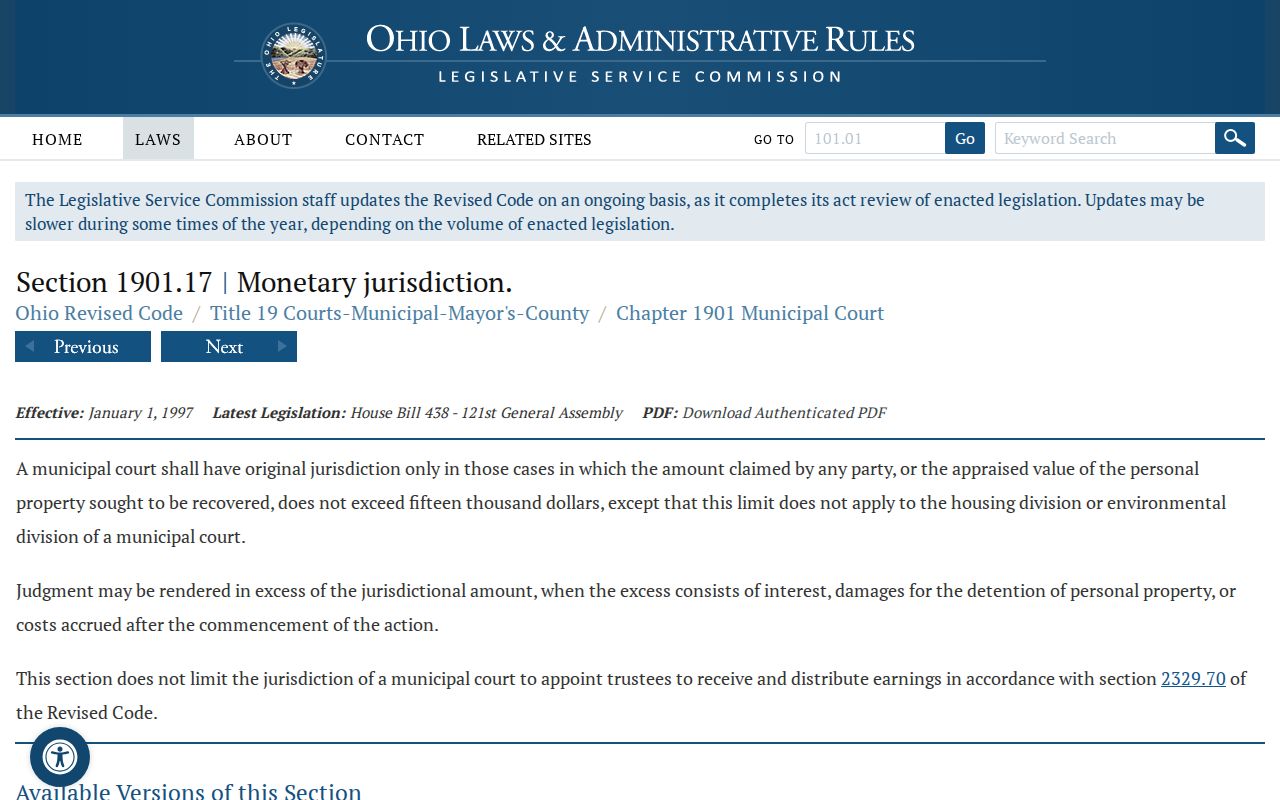
The limit tells you where to begin. The Wayne County case summary then names the exact court and division holding the filed matter.
Civil Dockets: What They Show
A Wayne County civil docket blends old and new. The Clerk's traditional recordkeeping survives in Local Rule 1(N). It describes a General Civil Index, a civil appearance and execution docket, and a chronological civil Half Sheet. WCMS turns that history into a case summary the public can actually navigate. Read the dated Events and Dockets entries together with the parties and costs information. One caution applies. A short status line is not the same thing as a signed order or judgment.
| Case number | The Wayne County identifier. Preserve a CVF, CVG, or CVH prefix exactly when it appears. |
|---|---|
| Parties | The people or entities shown in their case roles on the Wayne County public case summary. |
| Events and Dockets | The Wayne County chronological path of filings, notices, settings, mediation, hearings, and entries. |
| Costs | The Wayne County financial area in the case summary, distinct from the Clerk's fee schedule. |
| Disposition area | Wayne County result information that should be checked against the dated docket and official record. |
The Wayne County docket is a finding tool. It points you to the court action and names the document worth requesting. Free document download is not guaranteed, and judgment amounts do not always appear in the public view.
Wayne Civil Docket Prefixes
Prefixes are small Wayne County navigation clues. On a Municipal civil docket, CVF marks a forcible entry and detainer case. CVG points to personal injury or property damage. CVH covers other civil matters. When you write down a case number, keep the prefix with the year and sequence. Remember what a prefix cannot do: it will not settle every claim detail or prove any outcome. The entries, notice, order, and court assignment underneath remain the reliable record.
- Complaint or petition
- The opening Wayne County filing that states a civil claim or asks the court for relief.
- Service
- The recorded Wayne County process for giving the responding party notice of the case.
- Default judgment
- A Wayne County judgment that can result when a required response or appearance does not occur.
- Writ of restitution
- A Wayne County court process term listed in the Clerk's published Municipal fee schedule.
Stick to the docket's own vocabulary, because Wayne sources do not publish CVF, CVG, or CVH as final-disposition codes.
What Cases Fill the Civil Docket
Different courts fill the civil docket with different case families. Municipal Court lists contract, note or account, personal injury, property damage, eviction, rent-deposit, and animal or pet designation among its civil examples. BMV-related matters appear there too. General Division and Domestic Relations each carry their own civil work under separate dockets. A case type can steer a search. It points you in the right direction. For confirming which docket applies, though, trust the case number and division. They beat a broad label every time.
- Wayne County General Division civil actions and foreclosures in Common Pleas.
- Wayne County Domestic Relations cases involving divorce, dissolution, support, or parental rights.
- Wayne County Municipal civil claims within the court's monetary jurisdiction.
- Wayne County eviction and other listed Municipal civil matters.
- Wayne County money-only Small Claims matters within the statutory ceiling.
Civil cases in Wayne County land in different divisions depending on the subject, and the court publishes its own ground rules for each. The Common Pleas local-rules page is the official source for both the General Division and the Domestic Relations Division.
That local-rules page sets out how each division runs its civil docket, from filing details to hearing practice.
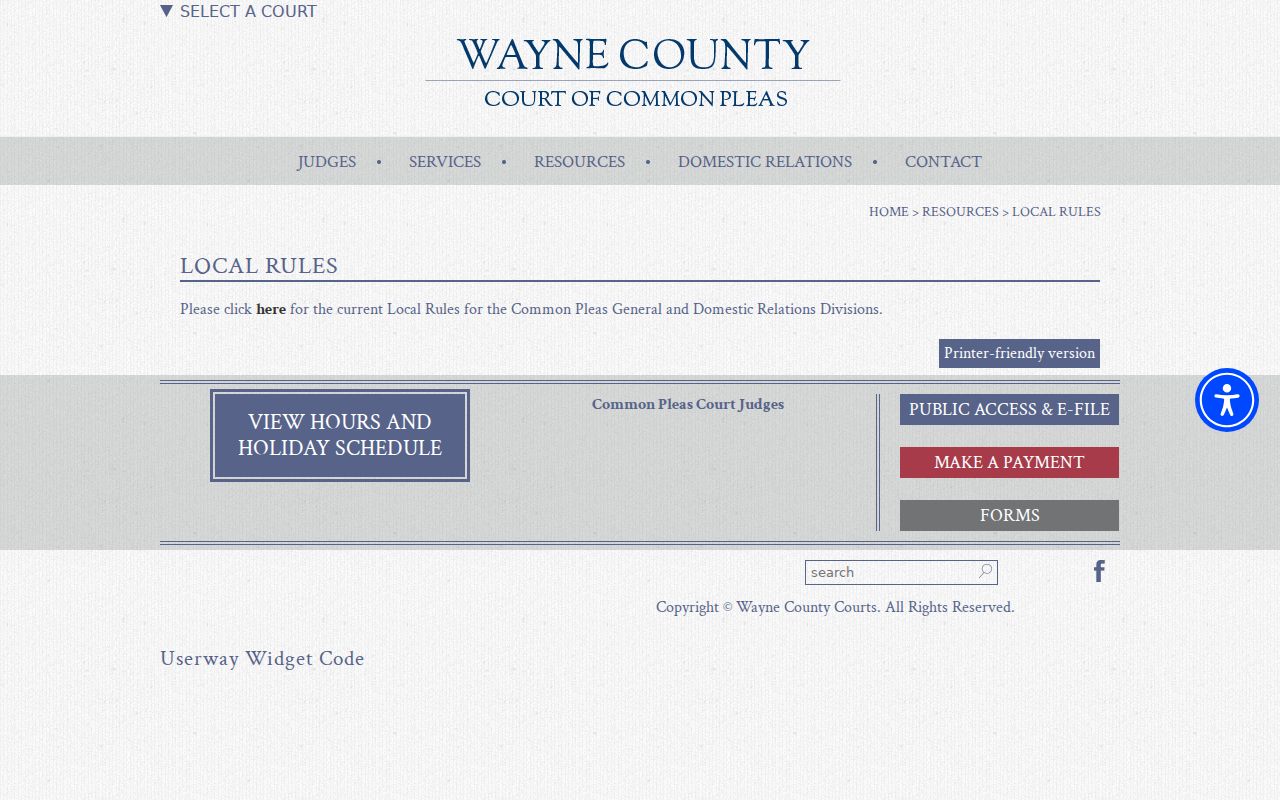
Rules explain the procedure. The individual Wayne County civil docket tells the story of one case.
Wayne Small Claims Docket Mediation
Small Claims cases in Wayne County follow a local track that a docket reader will notice. Mediation comes first. Attendance is required. The court warns that a missed appearance can lead to dismissal or a default judgment. Trial follows when mediation does not resolve the case. The Municipal Court schedules a small-claims hearing 15 to 40 days after service of summons. That timing belongs to this local process. The official Civil and Small Claims page describes the local filing path and the court limits.
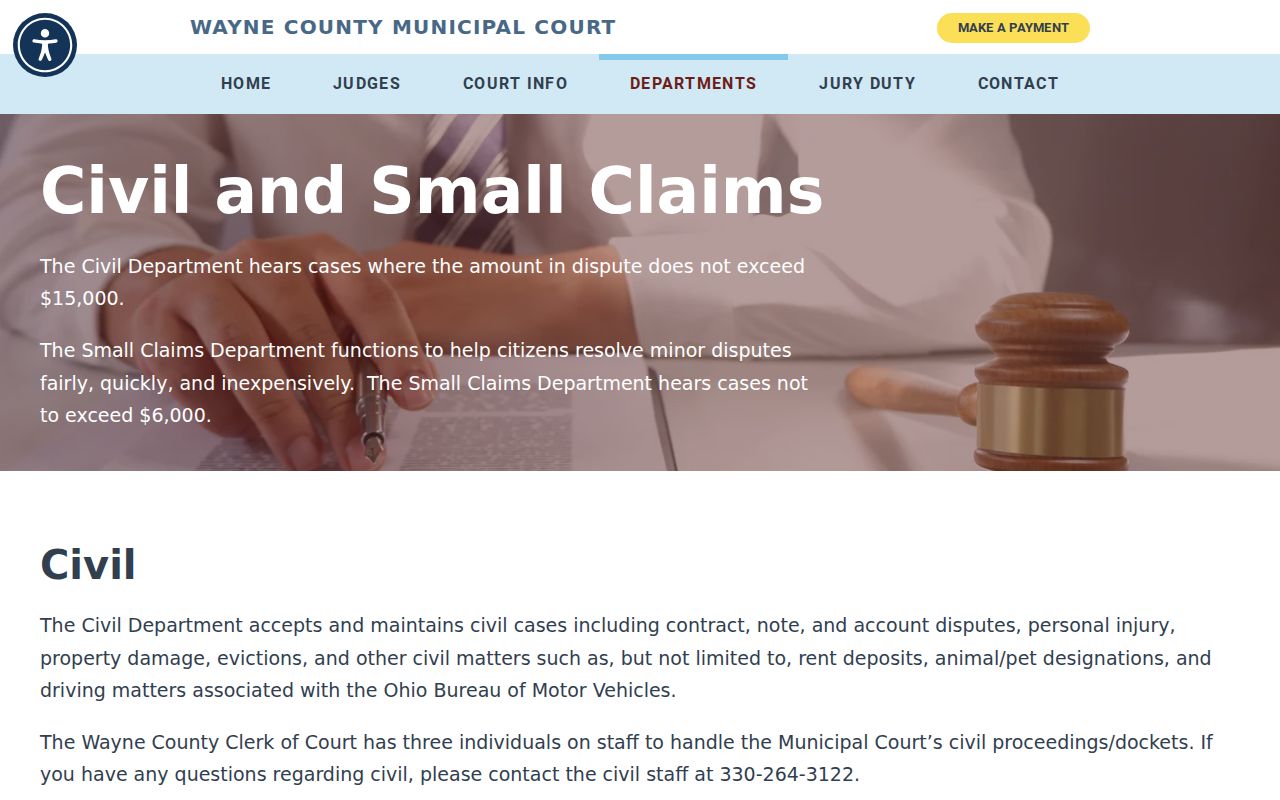
The daily case summary still earns its place. It records the notice, the mediation event, a later trial setting, and the court's action in the case. A mediation setting is not a final judgment. Read the later docket entry before treating a Wayne County case as resolved.
Hearings on the Civil Docket
A Wayne County civil docket tells its story in date order. Expect a complaint or petition first. Service, an answer, and motions can follow. So can notice of setting, mediation, pretrial or trial, an order or judgment, and post-judgment activity. That list is a reading order, not a promise. Some terms never appear in a given case. For a current setting, start with the newest dated entry. When time is short, compare any case summary with the court's own notice or the right court contact.
Common Pleas settings differ from Municipal scheduling. A Small Claims mediation is not an ordinary civil hearing either. If a document calls you to court, write down the case number and court first. Then use WCMS to find the most recent event. Call the court if a date, location, or event description conflicts with the notice.
Wayne Civil Docket Orders and Copies
When the docket entry alone is not enough, ask the Clerk that holds the file for the order or judgment. Common Pleas publishes its copy prices. A photocopy runs $0.10. A certified copy costs $3. Municipal certified copies are $2. The Clerk publishes no per-document image price, no standard copy-order web form, and no fixed turnaround time. Name the court, case number, document type, and approximate filing date in your request. It speeds things up. The Clerk's court costs and fees schedule also lists later civil markers such as certificates of judgment, garnishments, writs of execution, and writs of restitution.
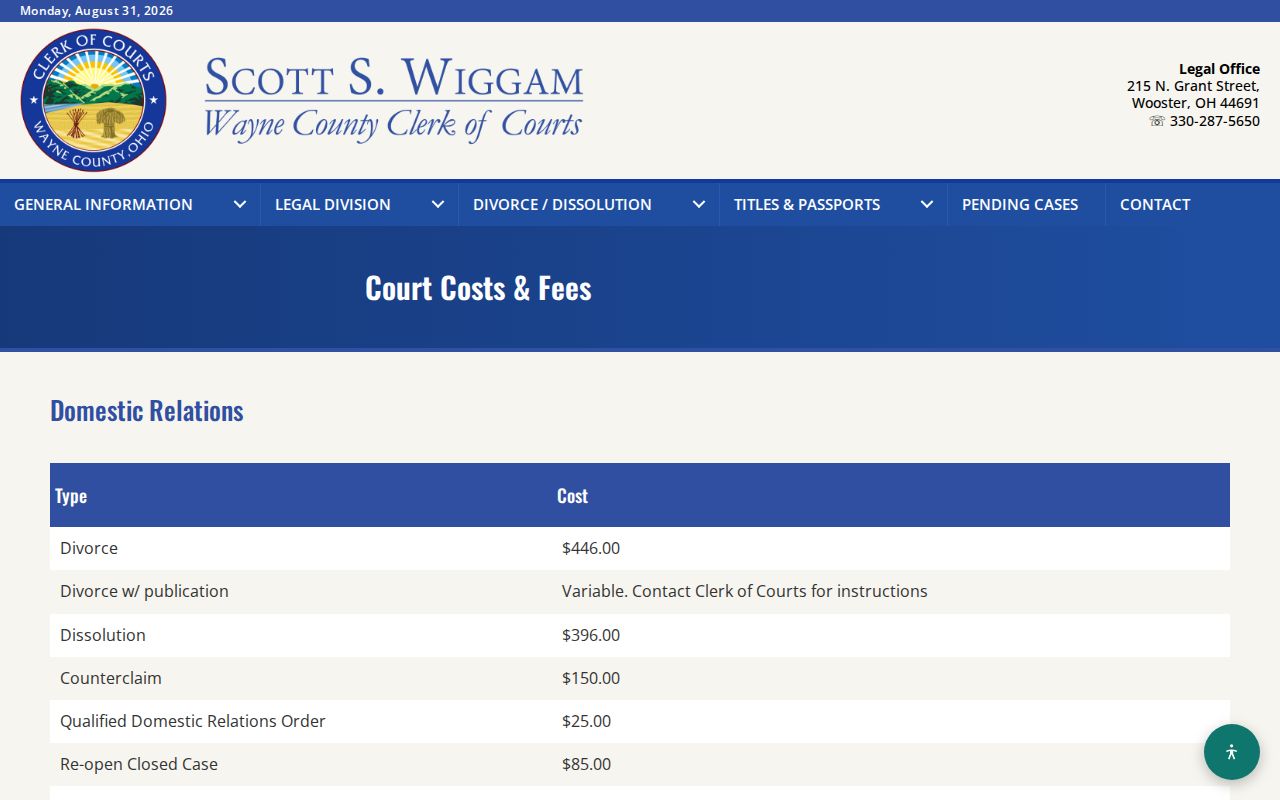
The schedule covers published Clerk charges. A Costs tab inside a Wayne County civil case summary shows case-specific amounts instead.
Who Can See Civil Dockets
Ohio presumes its court records open. That presumption comes from Sup.R. 11.10, though statutory and rule-based limits still apply. Wayne County CIO treats online information as a copy. The original public file sits at the courthouse office. Remote access can redact or omit personal identifiers under Sup.R. 11.12 and 11.13. So a public case summary helps you find a case but never replaces an official clerk-held record.
Access reminder: R.C. 149.43 requires Ohio public offices to make public records available promptly, subject to exceptions and redaction. Sealed records and protected information do not become available simply because a docket search field is known.
Domestic Relations, Probate, and Juvenile cases may face different public-access rules. Confirm the case category and the right office first.
Wayne Civil Docket Case Summaries
WCMS is a strong locator for a Wayne County civil docket. But it is not the whole case file. The public case summary sorts information into Parties, Events, Dockets, Costs, and disposition details. One trap deserves care. The Clerk's WCMS account request is an e-filing registration route. It is not the public docket search. It is not a civil-record request either. If the system fails, the local e-file rule points the public to other options. Those include terminal, paper, or microfilm access at the Clerk's office. The Clerk's WCMS e-file registration page shows the separate account-registration setting.
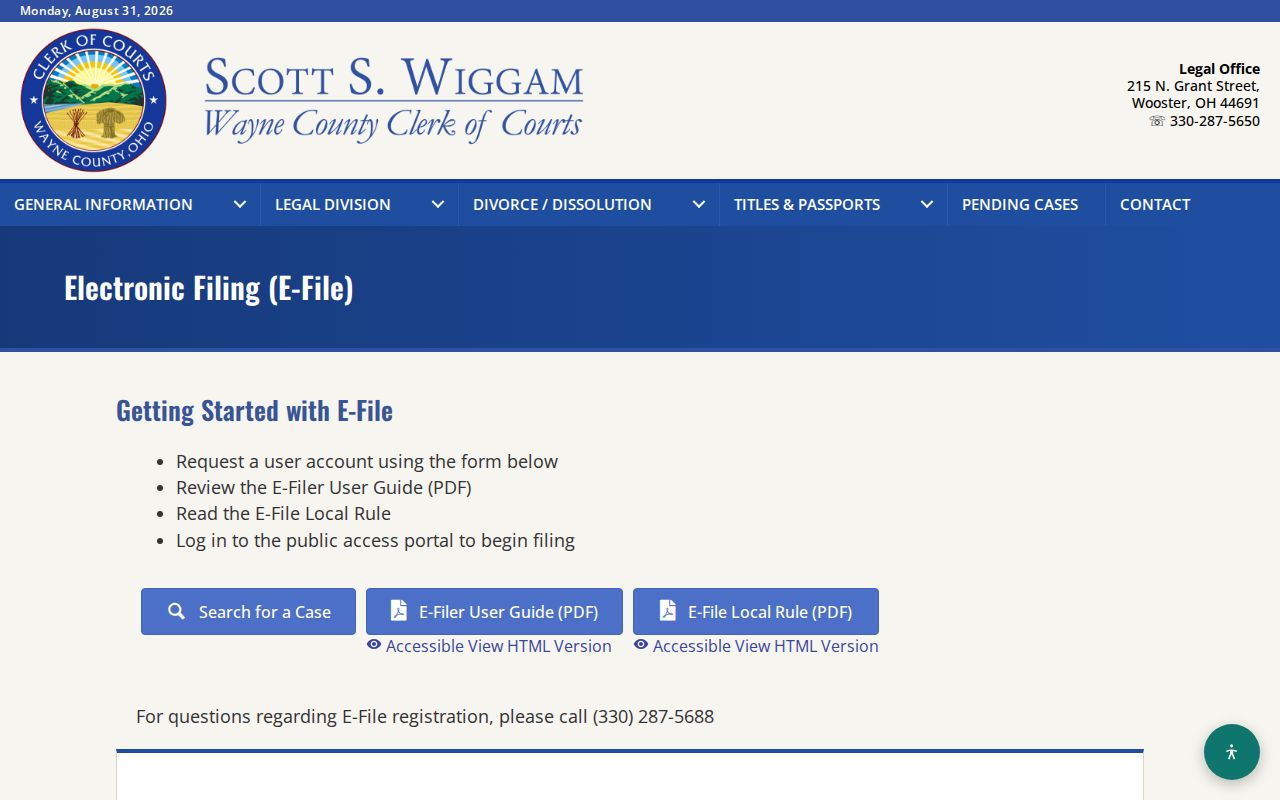
For a public lookup by party or case number, use the WCMS search. Do not treat the e-file account form as a records portal. Once you have the court and the number, a Wayne County docket search can sort out the Common Pleas, Municipal, and Probate or Juvenile paths. Then you can request official copies with confidence.
Ohio law caps Wayne County Small Claims at money-only matters through $6,000, exclusive of interest and costs. A counterclaim above that amount moves the case. The regular docket takes over. So a case's first docket location is not always its only procedural home. Check the dated entries for a transfer. Follow the new court and case number. An official copy of R.C. 1925.02 documents the state small-claims ceiling and the transfer rule.
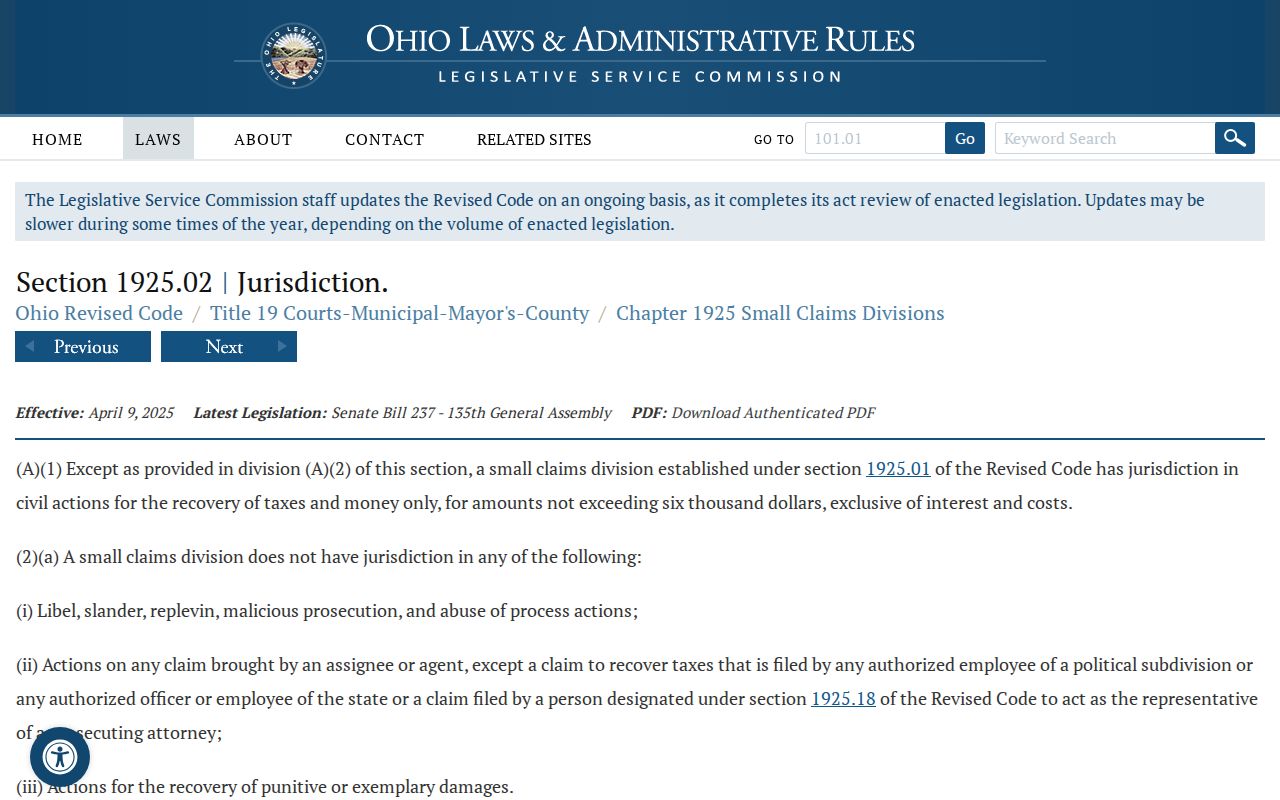
The statute sets the limit, and the Wayne County civil docket confirms what happened in a particular claim.